Overview
The mechanics of direct response advertising are interesting. As with everything else, advertisers are playing a numbers game, betting on volume and hoping that audience targeting decisions and marginal lift through creative adjustments will result in incremental sales revenue. Strategy, analytics, and creative teams will devise a creative test that borrows from a different brand, or a hunch about button placement as performance inevitably shifts. Analyze the results on a regular basis, and that’s typically where the thinking stops.
There are many different variables that might impact the performance of these kinds of efforts, but by putting on our remedial game theorist hats we can attempt to tackle the most critical: the first quarter to half second of exposure. Every message, regardless of platform, depends on its ability to capture attention. Without that fleeting moment of interest, an email is ignored, an envelope is tossed in the bin. And within those fractions of a second is where margins are made and millions of dollars of commerce happen.
The Solution
The research into attention is fortunately longstanding and robust. What is mistakenly often called the bizarreness effect, and more accurately the Von Restorff effect, is a demonstration of how quickly and intently human attention responds to anything that breaks from familiar patterns. The copy and images that trigger a Von Restorff type reaction not only capture more attention, but are more memorable and meaningful.
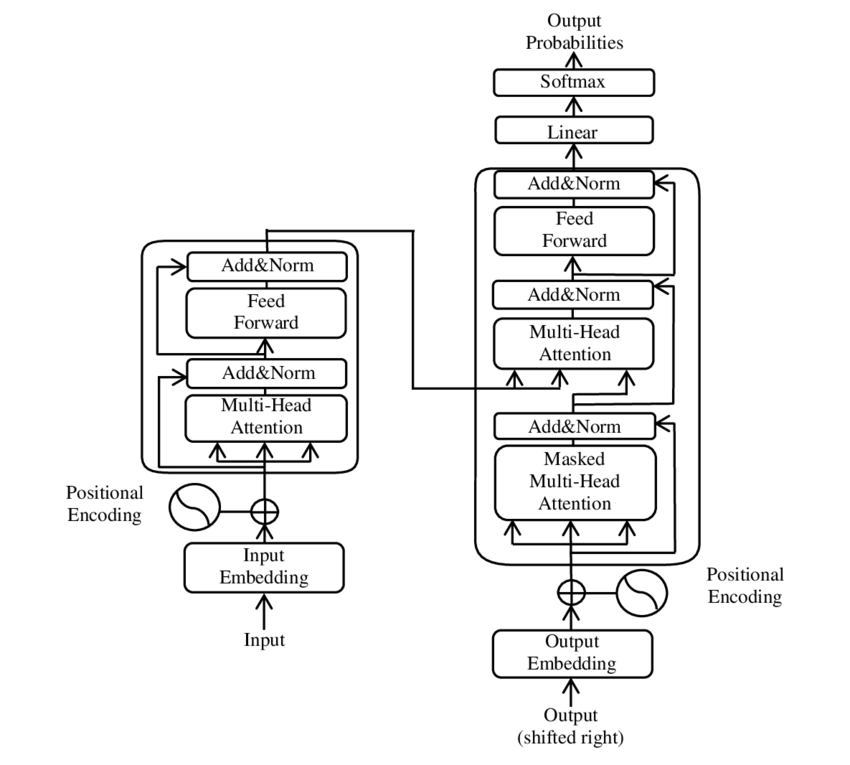
Traditionally, the execution of attention and memorability has been left entirely to the mind of the copywriter. But modern technology gives us a new and novel solution, and one that might be a little surprising. The LLM chatbot faces of today's artificial intelligence tools, work on the foundational algorithm developed by Google for building semantic relationships across words and sentences. It turns out, the underlying technology that has led us to the blandification of everything also holds transformative insights into how we might make things more interesting, more memorable, and more impactful.
The SBERT algorithm that allows LLMs to use the relationships between words and sentences can also be used to predict how much a new text will be differentiated from an existing corpus. Given the a set of text that represents the messages of a category, or even the text that audiences might see throughout the course of the day, the calculation to predict how much a new message will invoke the Von Restorff effect in the minds of the audience is incredibly straightforward. In short, SBERT can be an instant prediction machine for how well text can capture attention, preventing wasted spend and optimizing for effectiveness at the biggest bottleneck in direct response.
Using this finding, I built a web application that can be loaded with a dataset of previous text, including subject lines, headers, etc. and give users an instant score, marking the new copy’s relative distinctiveness. With a low friction interface and thoughtful feedback mechanism, copywriters are incentivized to use their own creativity with a nudge towards copy that optimizes the critical first split second of exposure.
The Implementation
- Maximize open rates by capturing attention.
- Increase memorability to build long-term brand affinity.
- Maximize metrics downstream of open rate to increase revenue.